


MMA Welding Machine
ROLWAL: a Professional MMA Welding Machine Manufacturer
Our company was established in 1990 and is located in Daxi, the hometown of pumps in China. We have self-operated import and export rights.
Variety of Products
We can provide customers with various types of water pumps, welders, and motors, such as centrifugal pumps, peripheral pumps, self-priming jet pumps, deep well submersible pumps, submersible sewage pumps, MMA welding machine, MIG welding machine, TIG welding machine. We can also provide portable car battery chargers.
Professional Production Equipment
Our factory is equipped with many types of equipment, including production lines, processing centers, testing centers, etc. We have also arranged professional production personnel to monitor all aspects to ensure the high quality of each product.
Rich Market Experience
Our company has established export trade relationships with customers in many countries and regions, and our products are sold to the Middle East, Southeast Asia, Europe, Africa, South America and other places. Our products have received favorable comments from many customers.
Multiple International Certifications
Various products such as water pumps, welding machines, and motors we produce have passed ISO9001 and CE certification. At the same time, we have professional design and production teams that continuously develop and innovate new products.

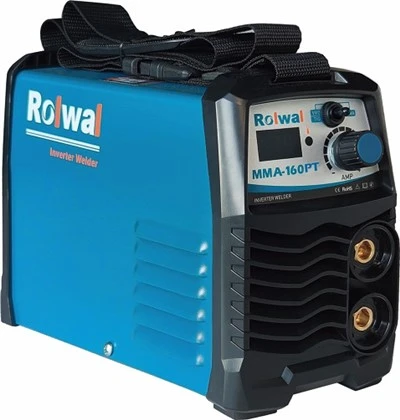
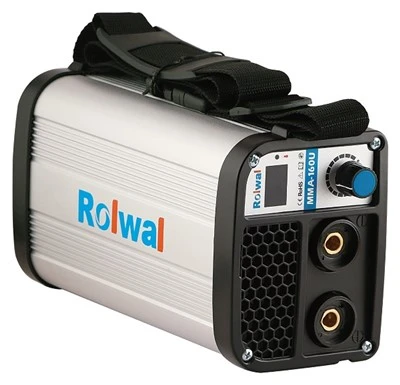

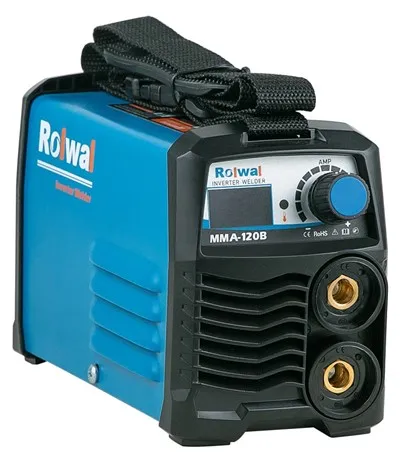


Brief Introduction to MMA Welding Machines
Also known as shielded metal arc welding (SMAW) or simply stick welding, MMA is an inexpensive welding process. At the heart of the MMA welding process is the welding machine itself. These machines, often referred to as MMA welding units, are designed to supply the current needed to create the electric arc between the electrode and the workpiece. They can be powered by alternating current (AC) or direct current (DC), each with its own advantages depending on the type of metal being welded and other specifics of the job. Modern welding machines are often equipped with advanced features, such as current regulators, to enable precise adjustments and guarantee optimum welding results. MMA welding machine is ideal for windy conditions (outdoor use) which might effect other welding processes.
How MMA Welding Works
MMA stick welding involves a symphony of elements working in concert to create a strong metallic bond. To really understand how it works, let’s break down the process, step by step.
Creating the Arc
It all starts with the electric arc. When the electrode is brought close to the workpiece and a current is applied, it creates a nearly complete circuit. By moving the electrode slightly away from the workpiece, a gap is formed, where the electric arc appears. This spark generates a tremendous amount of heat, which melts the metal on contact.
Role of the Coated Electrode
The electrode plays a dual role in this process. First, it acts as a conduit for the current, allowing the electric arc to form. Second, as it melts, it provides the filler metal needed to form the weld. But that’s not all: the electrode coating is crucial. As it melts, it generates gases that surround the weld zone, creating a protective atmosphere. This contributes to the formation of a layer of slag on the weld, which can be removed after cooling.
Protection Against Oxidation and Contamination
It is important to protect the weld, otherwise the molten metal will be exposed to oxygen in the air, which could lead to rapid oxidation and compromise weld quality. Other airborne contaminants, such as nitrogen, can also affect the weld. The protective atmosphere generated by the electrode coating prevents these harmful elements from coming into contact with the molten metal, ensuring a clean, strong and long-lasting weld.
The Welding Inverter Power Source
The welding inverter power source selected should have sufficient power to melt the electrode and weld material with enough capacity to maintain the arc voltage. The MMA (Stick) welding process typically requires high current (50-350 Amps) at relatively low voltage (10-50 Volts). The MMA welding electrodes are designed to operate on different types of output power and voltage and you should always read the manufacturers data. All welding electrodes can be used on direct current (DC) but not all on alternating current (AC). Some AC electrodes also have certain voltage requirements. When used in the DC mode the electrode lead should be connected to the polarity recommended by the electrode manufacturer, in most cases this will be electrode positive polarity but there are electrodes that use electrode negative polarity. The power source operates with a “no load” or “open circuit voltage” present when no welding arc is struck. This no load voltage rating is defined in the standard EN 60974-12012 (EN 60974) in accordance with the welding environment or risk of electrical shock.The power source may have a voltage reduction device (VRD) fitted either internally or externally.
The Electrode Holder and Welding Cables
The electrode holder clamps the end of the electrode with conductive clamps built into its head. These clamps operate either by a twist action or spring-loaded clamp action (crocodile type). The clamping mechanism allows for the quick release of the remaining unused electrode end (stub end). To ensure the maximum welding efficiency the electrode has to be firmly clamped into the holder, otherwise poor electrical contact may cause arc instability through voltage fluctuations and overheating of the holder. The welding cable is connected to the holder either mechanically, crimped or soldered. Electrode holders should conform to IEC 60974-11.
Welding Cable
Welding cable diameter is generally selected on the basis of welding current level. The higher the current and duty cycle, the larger the diameter of the cable to ensure that it does not overheat (see relevant standard). If welding is carried out some distance from the power source, it may be necessary to increase cable diameter to reduce voltage drop.
The Welding Electrode
The welding electrode consists of a core material of the material type i.e. steel or stainless steel etc. which provides the weld filler metal. This is covered by an outer coating called a flux which helps in creating the arc and shields the arc from contamination with what is called slag.
Types of Flux/Electrodes
To strike an arc between the electrode and base metal, such as carbon steel, and to produce a good quality weld, a stick welder must ensure that their welding machines are fitted with suitable electrodes. Arc stability, depth of penetration, metal deposition rate and positional capability are greatly influenced by the chemical composition of the flux coating on the electrode. Electrodes can be divided into:
Cellulosic Electrodes
Cellulosic electrodes contain a high proportion of cellulose in the coating and are characterised by a deeply penetrating arc and a rapid burn-off rate giving high welding speeds. Weld deposit can be coarse and with fluid slag, deslagging can be difficult. These electrodes are easy to use in any position and are noted for their use in the 'stovepipe' welding technique.
Rutile Electrodes
Rutile electrodes contain a high proportion of titanium oxide (rutile) in the coating. Titanium oxide promotes easy arc ignition, smooth arc operation and low spatter. These electrodes are general purpose electrodes with good welding properties. They can be used with AC and DC power sources and in all positions. The electrodes are especially suitable for welding fillet joints in the horizontal/vertical (H/V) position.
Basic Electrodes
Basic electrodes contain a high proportion of calcium carbonate (limestone) and calcium fluoride (fluorspar) in the coating. This makes their slag coating more fluid than rutile coatings - this is also fast-freezing which assists welding in the vertical and overhead position. These electrodes are used for welding medium and heavy section fabrications where higher weld quality, good mechanical properties and resistance to cracking (due to high restraint) are required.
Metal Powder Electrodes
Metal powder electrodes contain an addition of metal powder to the flux coating to increase the maximum permissible welding current level. Thus, for a given electrode size, the metal deposition rate and efficiency (percentage of the metal deposited) are increased compared with an electrode containing no iron powder in the coating. The slag is normally easily removed. Iron powder electrodes are mainly used in the flat and H/V positions to take advantage of the higher deposition rates. Efficiencies as high as 130 to 140% can be achieved for rutile and basic electrodes without marked deterioration of the arcing characteristics but the arc tends to be less forceful which reduces bead penetration.
Benefits of MMA Welding Machines
There are several benefits of MMA welding machines. The following are the advantages of MMA welding:
Easy to Use
Welding machines are easy to use and the welding technique also doesn’t require much effort.
Easy to Carry
This welding machine is easy to carry anywhere. Welding machine maintenance, if done properly, will help the machine last longer.
Cost
Costs are comparatively lower when compared to other welding methods. Maintenance also costs less.
Flexibility and Versatility
Whilst MMA welding is used primarily for welding steel (including stainless steel) and iron, it can also be used for a wide variety of other metals including aluminium, nickel and copper alloys. It is also the most effective process for welding outdoors as it less likely to be affected by weather conditions than MIG or TIG welding.
Inverter Controls Used in MMA (Stick) Welding
Welding Current Control (A)
The current control regulates the amount of current output from the welding inverter and hence the deposition rate dependent on the electrode diameter. Often current can be controlled via remote controls on more modern electronic welding inverters.
Hot Start
At the start of welding the hot start provides an increased amount of current to enable the electrode to strike the arc without sticking to the work piece. Some machines have an automatic hot start current with a set time and level others have variable hot start control for an operator to select.
Arc Force
During welding the arc voltage is normally in the region of 20V. Often the situation may demand a shorter arc which results in a lower voltage and the electrode is prone to “sticking to the work piece” as the arc has actually extinguished. The arc force control will overcome this problem by increasing the current when the arc voltage falls to ensure the metal transfer of the electrode and prevent the electrode sticking. Some machines have an automatic arc force current others have variable arc force control for an operator to select the required level.
Construction and Infrastructure
MMA welding is commonly used in the construction industry for welding structural steel, reinforcing bars, and other metal components used in buildings, bridges, and other infrastructure projects.
Manufacturing and Fabrication
MMA welding is also widely used in the manufacturing industry to fabricate metal parts and components. This can include welding together metal frames and structures, as well as welding components onto machinery and other equipment.
Automotive and Transportation
MMA welding is used in the automotive and transportation industries for welding together the various metal components of cars, trucks, buses, and other vehicles. This can include welding together the frame, body, and other structural components, as well as welding on attachments and accessories.
Marine
MMA welding is often used in the marine industry for welding together the metal components of boats, ships, and other watercraft. This can include welding the hull, deck, and other structural components, as well as welding on attachments and accessories.
Mining and Energy
MMA welding is also commonly used in the mining and energy industries for welding together the various metal components of mining and drilling equipment, as well as welding on attachments and accessories.
Tips for Selecting the Right Welding Machine
As all welders know, there are many factors to think about when buying a welding machine. From making sure it provides the right amperage to keeping it within your budget, you have to be very picky with your machine choice if you want to get the best results from your weld. These tips for selecting the right welding machine will help you keep the right factors in mind when perusing the many machines on the market.
Know Your Welding Method
First things first, you have to know how you’re going to weld before buying a welding machine. Not all welding machines provide the means for multiple methods. There are multi-process welding machines that allow you to conduct TIG, MIG, and Stick(MMA) welding. Some machines, on the other hand, will only allow for one or two types of welding. So, to make sure you’ve got the right gear for the task at hand, know which method you’ll be carrying out with it.
Know What You Want to Weld
One of the most important factors to consider when choosing a welding method is the type of metal you’re welding. If you’re welding stainless steel, you have a variety of options as far as welding methods go; MIG, TIG, and Stick welding are all suitable choices. If you’re going to be welding aluminum, then you should avoid using methods like stick welding. The reason for this is due to the various properties of each type of metal you can weld with. Some metals have different levels of durability, corrosiveness, and electrical conductivity than others.
Take Your Experience into Account
All welding methods have their benefit, but they’re not all so easy for novice welders to learn. If you’re still a novice, we recommend starting off with MIG welding because it’s easy to learn and provides you with a means of completing high-quality welds in ample time. We don’t recommend jumping right into stick welding. That being said, you can certainly work your way up to it once you leave that novice stage. If you try to jump into a complex welding method without the right knowledge or experience, you’ll most likely wind up with injuries and low-quality welds. We recommend avoiding both.
Think about the Price
The money you’re willing to pay also plays a key role in buying the right welding machine. This section will show you how to buy the right machine at the right price. Keep in mind that you don’t have to break the bank to get a welding machine, but these aren’t $30 machines. Set a budget but do so realistically so you aren’t buying low-quality machines solely for the cheaper price, which is an issue we’ll dive deeper into later on.
Prioritizing Amperage and Voltage is Essential
The amperage and voltage you need for your welds play a role in determining your budget. The more amperage (or “current”) you need, the more you’ll have to spend on a machine. If you’re welding thicker metals, you’re going to need a machine that provides you with high amperage levels. Thin metals don’t require quite as much power for completing quality welds. Sure, now you know they’re important, but what exactly are amperage and voltage? At first, the two terms can seem interchangeable, but they reference two very different functions. Amperage is a reference to the volume of electricity flowing through the machine to create your arc. Voltage, on the other hand, is a reference to the force that allows that amperage to flow in the first place. Without the proper voltage, you’ll have issues getting the electrons to travel from the electrode to the workpiece. Likewise, if you’re using an excessive amperage level, you can damage the electrode. Although that is the case, the amount of force you need to allow those electrons to flow isn’t consistent across all types of welding. For instance, you typically need a higher voltage for stick welding as opposed to TIG welding. It all comes down to the materials you’re using to complete the weld. You might at first assume that the more power, the better, but as you can see, it’s not that simple. Like with all factors, you have to make sure they align with the materials you’ll be working on during your welds.
Don’t Compromise Quality for Monetary Reasons
Although you should buy a welding machine within your budgetary constraints, don’t buy lesser brands or machines simply because they’re cheaper. Remember, you have to be realistic with your budget if you want a machine that’s worth your time and money. Finding high-quality multi-process welding machines at affordable prices isn’t hard, so don’t rule out the top brands on the market just because you’re worried about the price. If you buy a low-quality welding machine for the price alone, you run the risk of investing in a machine that ultimately won’t give you the results you’re looking for.
Consider the Level of Portability You Need
If you’re going to be in one place for all your welds, portability might not be a concern. Some DIY welders like to work at their stations and that’s that. However, if you’re going to be traveling to and from different job sites, you’ll need a machine you can transport with ease. If you want a portable welding machine, look for lightweight units that supply you with the attributes you need.
5 Tips on How to Maintain Welding Equipment
Whether an arc becomes erratic, the wire for your welder feeds unevenly, or your machine starts to run hot, maintenance for welding equipment is critically important for the longevity of your welding machine and for preventing these performance issues. Depending on what kind of unit you have, different amounts of maintenance will be required.
Follow Specs to Maintain Welding Equipment
The most basic way to maintain your welding equipment is to use it within its specifications. A duty cycle will keep you from pushing your welding beyond its limits for a 10-minute period. You can keep track of this by selecting projects that won’t push your welder too far beyond its limits. In this case, make sure you buy the right welder for your projects.
Maintain Welding Equipment by Prevention
Each week, welders take off the covers of their equipment and blow compressed air into the units in order to remove all dust and debris from the mechanical parts of the welder. It’s also a good idea to use a cover for your welder and to do all of your grinding far enough away from your machine that nothing gets sucked into the welder while it’s operating. It’s a good safety tip in general to always do woodworking in a separate location from your welder since the sawdust can catch a spark from your weld and smolder for a while until it becomes a flame. However, with the risks of sawdust getting caught in your welder, this is all the more important for the long term durability of your welder.
Maintain Welding Equipment by Cleaning
Sometimes parts of your welding equipment needs the grease to be redistributed or a new application of grease. Most of the time new parts or compressed air will get the job done, but not always.
Maintain Welding Equipment Regularly
One of the best things you can do for your welding equipment is to establish a routine maintenance schedule. Some shops have procedures for each week, month, and year that keeps their machines running in top condition without the risk of burning them out. It’s not uncommon for welding shops to have their equipment serviced professionally once a year, but that schedule is something you’ll need to set up based on your own usage.
Replace Parts to Maintain Welding Equipment
It’s no secret that the tips or nozzles on welding torches will need to be replaced frequently. However, don’t forget that certain parts of your welding equipment may need to be replaced sometimes, such as the brushes inside of a wire feeder. Depending on how often you use your machine, you will have to replace the liner in order to keep the wire feeding smoothly.
Our Certificate
Below are our certificate:


Our Factory
Below are our factory:


Ultimate Guide
Q: How do you control current in MMA welding?
Q: What voltage is needed for MMA welding?
Q: What are the safety precautions for MMA welding?
Q: What power source is needed for MMA welding?
Q: What polarity do you use for MMA welding?
Q: What electrodes are used in MMA welding?
Q: What is the purpose of covering on MMA welding electrodes?
Q: What are 3 safety rules for welding?
Q: Does a MMA welder use gas?
Q: What are the advantages of MMA welding compared to gas welding?
Q: Is MMA welding the same as arc welding?
Q: Is MMA welding AC or DC?
Q: What is the difference between MIG and MMA welding machines?
Q: Why is MMA welding used?
Q: What is the difference between filler rod and electrode?
Q: Which welding rod is better?
Q: What is the correct angle for the electrode?