

As a supplier of Bx AC Welding Machines, I often encounter various inquiries from customers regarding the capabilities and applications of our products. One question that frequently arises is whether a Bx AC Welding Machine can be used for welding copper. In this blog post, I will delve into this topic, exploring the technical aspects, challenges, and potential solutions associated with using a Bx AC Welding Machine for copper welding.
Understanding the Bx AC Welding Machine
Before we discuss the suitability of a Bx AC Welding Machine for copper welding, let's first understand how this type of welding machine works. A Bx AC Welding Machine is a type of arc welding machine that uses alternating current (AC) to create an electric arc between the welding electrode and the workpiece. This arc generates intense heat, which melts the electrode and the base metal, allowing them to fuse together.
Bx AC Welding Machines are known for their simplicity, reliability, and affordability. They are commonly used for welding mild steel, stainless steel, and cast iron in various applications, such as construction, fabrication, and repair. However, their performance may vary depending on the specific model and the welding conditions.
Properties of Copper and Welding Challenges
Copper is a highly conductive metal with excellent thermal and electrical properties. It has a relatively low melting point of around 1,084°C (1,983°F) and a high thermal conductivity, which means it dissipates heat quickly. These properties make copper a challenging material to weld, especially with a Bx AC Welding Machine.
One of the main challenges of welding copper is achieving sufficient heat input to melt the base metal and the electrode. Due to its high thermal conductivity, copper tends to absorb and conduct heat away from the welding area, making it difficult to maintain a stable arc and achieve proper fusion. Additionally, copper has a high coefficient of thermal expansion, which can cause distortion and cracking during the welding process.
Another challenge is the formation of oxide layers on the surface of the copper. Copper oxidizes quickly when exposed to air, especially at high temperatures. These oxide layers can prevent proper fusion between the base metal and the electrode, leading to poor weld quality and reduced mechanical properties.
Can a Bx AC Welding Machine be Used for Welding Copper?
The short answer is yes, a Bx AC Welding Machine can be used for welding copper, but it may not be the most ideal choice. As mentioned earlier, copper has unique properties that make it challenging to weld, and a Bx AC Welding Machine may not provide the necessary heat input and control to overcome these challenges.
However, with the right techniques and precautions, it is possible to achieve satisfactory results when welding copper with a Bx AC Welding Machine. Here are some tips to help you get started:
- Choose the Right Electrode: Select an electrode that is specifically designed for welding copper. Copper electrodes are typically made of copper or copper alloys and have a high melting point and good electrical conductivity. They can help provide sufficient heat input and improve the weld quality.
- Preheat the Workpiece: Preheating the copper workpiece can help reduce the thermal gradient and improve the heat input during welding. This can be done using a torch or a preheating oven. The preheating temperature will depend on the thickness of the copper and the welding conditions, but it is generally recommended to preheat the workpiece to around 200-300°C (392-572°F).
- Use a High Amperage Setting: To overcome the high thermal conductivity of copper, you may need to use a higher amperage setting on your Bx AC Welding Machine. This will help provide sufficient heat input to melt the base metal and the electrode. However, be careful not to use too high of an amperage, as this can cause excessive spatter and damage to the workpiece.
- Control the Welding Speed: Welding copper requires a slower welding speed compared to other metals. This allows more time for the heat to penetrate the base metal and achieve proper fusion. It also helps reduce the risk of distortion and cracking.
- Clean the Workpiece: Before welding, it is important to clean the surface of the copper workpiece to remove any oxide layers, dirt, or contaminants. This can be done using a wire brush, sandpaper, or a chemical cleaner. A clean surface will help improve the weld quality and reduce the risk of defects.
- Use a Shielding Gas: Using a shielding gas, such as argon or helium, can help protect the weld pool from oxidation and improve the weld quality. However, this may not be necessary when using a Bx AC Welding Machine, as the arc itself provides some protection.
Alternative Welding Methods for Copper
While a Bx AC Welding Machine can be used for welding copper, there are other welding methods that are better suited for this material. Here are some alternative welding methods that you may consider:
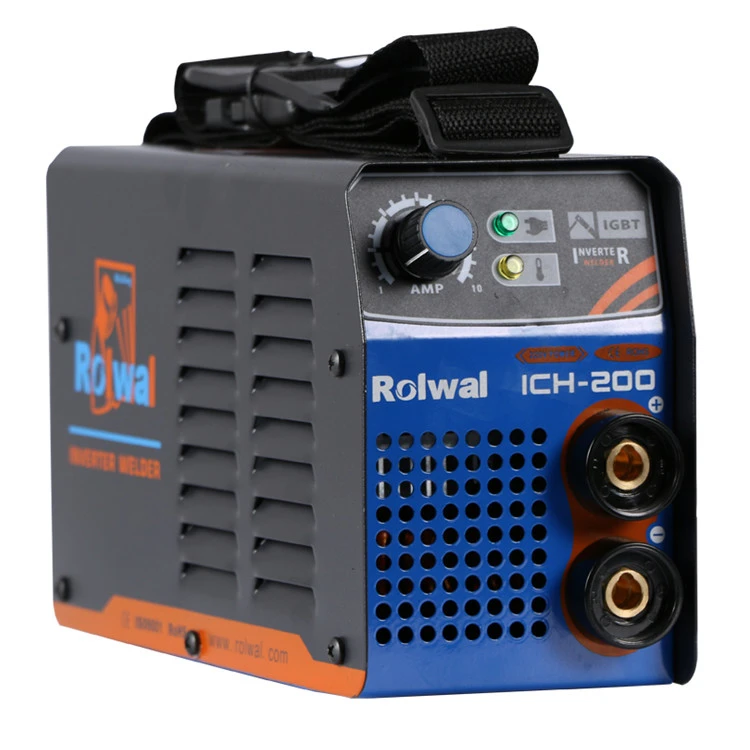

- TIG Welding: Tungsten Inert Gas (TIG) welding is a popular method for welding copper. It uses a non-consumable tungsten electrode and a shielding gas to create an arc between the electrode and the workpiece. TIG welding provides precise control over the heat input and the welding process, making it ideal for welding thin copper sheets and complex shapes. You can explore our Professional MMA Welding Machine which offers advanced features for various welding applications.
- MIG Welding: Metal Inert Gas (MIG) welding is another option for welding copper. It uses a consumable wire electrode and a shielding gas to create an arc between the electrode and the workpiece. MIG welding is faster and more efficient than TIG welding, making it suitable for welding thicker copper sections. Our MIG With Lift TIG provides a versatile solution for different welding needs.
- Resistance Welding: Resistance welding is a process that uses electrical resistance to generate heat and join two or more pieces of metal together. It is commonly used for welding copper in applications where high precision and speed are required, such as in the electronics industry.
- Laser Welding: Laser welding is a high-energy welding process that uses a laser beam to melt and fuse the base metal and the electrode. It provides precise control over the heat input and the welding process, making it ideal for welding small and delicate copper components.
Conclusion
In conclusion, while a Bx AC Welding Machine can be used for welding copper, it may not be the most ideal choice due to the unique properties of copper and the challenges associated with welding it. However, with the right techniques and precautions, it is possible to achieve satisfactory results when welding copper with a Bx AC Welding Machine.
If you are considering welding copper, it is recommended to consult with a professional welder or a welding expert to determine the best welding method and equipment for your specific application. They can provide you with valuable advice and guidance based on their experience and expertise.
As a supplier of Bx AC Welding Machines, we are committed to providing our customers with high-quality products and excellent customer service. If you have any questions or need further information about our welding machines or welding techniques, please feel free to contact us. We would be happy to assist you with your welding needs and help you find the right solution for your project.
References
- AWS Welding Handbook, Volume 1: Welding Science and Technology, American Welding Society
- Welding Metallurgy and Weldability of Stainless Steels, John C. Lippold and David J. Kotecki
- The Welding Institute (TWI) - Copper and Copper Alloys Welding Guide


