

As a supplier of deep well submersible pumps, I often encounter questions from customers regarding the suitability of our pumps for various well conditions. One common query is whether a deep well submersible pump can be used in a well with high iron content. In this blog post, I will delve into this topic, exploring the effects of high iron content on deep well submersible pumps and providing insights on how to address potential issues.
Understanding High Iron Content in Wells
Iron is a naturally occurring element found in many groundwater sources. In some areas, the iron content in wells can be relatively high, which can pose challenges for water pumping systems. There are two main types of iron commonly found in well water: ferrous iron (dissolved iron) and ferric iron (precipitated iron). Ferrous iron is soluble in water and typically appears clear when the water is first drawn. However, when exposed to air or oxygen, it oxidizes and forms ferric iron, which is insoluble and appears as a reddish - brown sediment.
Impact of High Iron Content on Deep Well Submersible Pumps
- Clogging: One of the most significant issues associated with high iron content is clogging. Ferric iron can accumulate on the pump's intake screen, impeller, and other internal components. Over time, this buildup restricts the flow of water into the pump, reducing its efficiency and potentially causing it to overheat. For example, if the intake screen becomes clogged, the pump has to work harder to draw in water, leading to increased energy consumption and a shorter lifespan for the pump.
- Corrosion: High iron content can also accelerate corrosion in pumps. Iron in the water can react with the pump's metal components, especially if the water has a low pH level. Corrosion can weaken the structural integrity of the pump, leading to leaks, reduced performance, and ultimately, pump failure. In extreme cases, corrosion can cause holes in the pump housing or damage the impeller blades, rendering the pump inoperable.
- Reduced Performance: As mentioned earlier, clogging and corrosion can significantly reduce the performance of a deep well submersible pump. The pump may not be able to deliver the required flow rate or pressure, resulting in inadequate water supply to the household or industrial facility. This can be particularly problematic in applications where a consistent water supply is crucial, such as in agricultural irrigation or industrial processes.
Can a Deep Well Submersible Pump Be Used in a Well with High Iron Content?
The short answer is yes, but certain precautions need to be taken. Not all deep well submersible pumps are equally suitable for high - iron environments. Here are some factors to consider when choosing a pump for a well with high iron content:
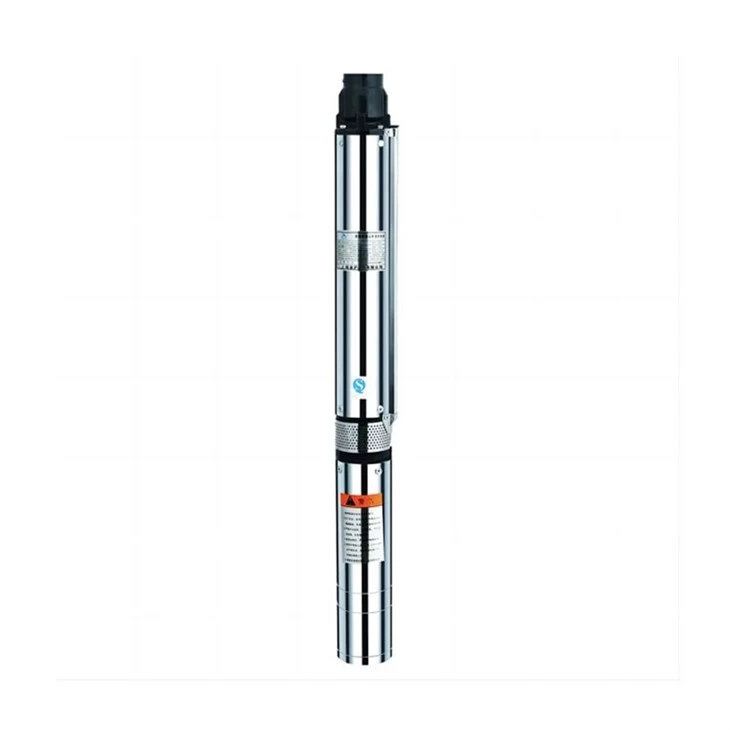
- Material Selection: Opt for pumps made from corrosion - resistant materials. Stainless Steel Deep Well Submersible Pump are a great choice as stainless steel is highly resistant to corrosion. It can withstand the harsh conditions caused by high iron content and other contaminants in the water. Additionally, some pumps have coatings or linings that provide an extra layer of protection against corrosion.
- Design Features: Look for pumps with features that minimize the risk of clogging. For instance, pumps with larger intake screens or self - cleaning mechanisms can help prevent iron sediment from accumulating on the intake. Some pumps also have impellers designed to handle abrasive particles, which can be beneficial in high - iron environments.
- Maintenance Requirements: Regular maintenance is essential when using a deep well submersible pump in a well with high iron content. This includes cleaning the intake screen, inspecting the pump for signs of corrosion or damage, and replacing worn - out parts as needed. It is also recommended to install a water treatment system upstream of the pump to remove iron before it reaches the pump.
Water Treatment Solutions for High Iron Content
To protect your deep well submersible pump and ensure a reliable water supply, it is advisable to implement a water treatment system. Here are some common water treatment methods for removing iron from well water:

- Oxidation and Filtration: This method involves adding an oxidizing agent, such as chlorine or hydrogen peroxide, to the water to convert ferrous iron to ferric iron. The ferric iron then precipitates out of the water and can be removed by a filter. There are various types of filters available, including sediment filters, sand filters, and manganese greensand filters, which are specifically designed to remove iron.
- Ion Exchange: Ion exchange systems work by exchanging iron ions in the water with sodium ions. These systems are effective at removing dissolved iron but may require regular regeneration with salt to maintain their effectiveness.
- Reverse Osmosis: Reverse osmosis is a more advanced water treatment method that can remove a wide range of contaminants, including iron. It uses a semi - permeable membrane to filter out impurities from the water. While reverse osmosis systems are highly effective, they can be more expensive to install and operate compared to other treatment methods.
Choosing the Right Deep Well Submersible Pump for High - Iron Wells
When selecting a deep well submersible pump for a well with high iron content, it is important to consider your specific needs and the characteristics of your well. At our company, we offer a range of pumps that are suitable for high - iron environments. Our Three Phase Deep Well Submersible Pump are known for their durability and high performance. They are designed with corrosion - resistant materials and advanced impeller designs to handle the challenges posed by high iron content.
Our High Pressure Deep Well Submersible Pump are also a great option for wells with high iron content. These pumps can generate the necessary pressure to overcome any restrictions caused by iron buildup, ensuring a consistent water supply.
Conclusion
In conclusion, a deep well submersible pump can be used in a well with high iron content, but it requires careful consideration and proper maintenance. By choosing the right pump, implementing a water treatment system, and following a regular maintenance schedule, you can ensure the long - term performance and reliability of your pump.
If you are facing challenges with high iron content in your well and need a suitable deep well submersible pump, we are here to help. Our team of experts can provide you with personalized advice and solutions based on your specific well conditions. Contact us today to discuss your requirements and explore our range of high - quality deep well submersible pumps.
References
- "Water Treatment Handbook" by A. P. Sincero and G. A. Sincero
- "Groundwater Hydrology" by C. W. Fetter
- Manufacturer's manuals for deep well submersible pumps


