

Hey there! As a supplier of battery chargers, I often get asked about the best way to store these nifty devices when they're not in use. It's a crucial question because proper storage can significantly extend the lifespan of your battery charger and ensure it's in tip - top shape whenever you need it.
First things first, let's talk about the environment. You don't want to just toss your charger in a random corner and forget about it. The ideal storage place for a battery charger is a cool, dry area. Heat is the enemy of most electronic devices, including battery chargers. High temperatures can cause the internal components of the charger to expand, which might lead to loose connections or even damage over time. And moisture? That's a big no - no. Water can corrode the metal parts of the charger and short - circuit the electrical components.
A closet or a drawer in a room with a stable temperature is a great option. Avoid storing it in places like attics or basements, where the temperature can fluctuate wildly and there might be a higher chance of moisture buildup. If you live in a particularly humid area, you could consider using a desiccant pack in the storage container. These little packs absorb moisture and help keep the air around the charger dry.
Now, what about the charger itself? Before you put it away, make sure it's completely cooled down if it was recently in use. You don't want to trap heat inside the storage container. Also, always unplug the charger from the power source. Leaving it plugged in for long periods can not only waste energy but also pose a small risk of electrical issues.
It's also a good idea to clean the charger before storage. Wipe it down with a soft, dry cloth to remove any dust or debris. If there are stubborn stains, you can use a slightly damp cloth, but make sure it's not dripping wet. And be extra careful around the charging ports. You don't want to get any moisture inside them.
Let's talk about cord management. Those charger cords can get all tangled up if you're not careful. A simple way to avoid this is to coil the cord neatly. You can use a cable tie or a twist - tie to keep the coil in place. This not only makes the charger easier to store but also helps prevent damage to the cord. A kinked or frayed cord can be a safety hazard and may affect the charger's performance.
If you have a charger with multiple charging ports, like our Compact and Portable Battery Charger, you might want to protect the ports. You can use port covers or even small pieces of insulating tape to cover them. This helps keep dust and debris out, which can clog the ports and cause charging problems later on.
For larger chargers, like our Quick Start Car Battery Charger, you might want to consider a storage case. A hard - shell case can provide extra protection against bumps and scratches. It also keeps all the parts together, so you don't have to go hunting for the charger, cords, and any accessories when you need them.
Another thing to keep in mind is the battery type compatibility of the charger. Some chargers are designed for specific types of batteries, like lithium - ion or nickel - metal hydride. Make sure you label the charger clearly if it's for a particular battery type. This way, you won't mix it up with other chargers and accidentally use it on the wrong battery, which could be dangerous.
If you're storing multiple chargers, try to keep them organized. You can use a storage bin with compartments or label each charger with a tag. This makes it easy to find the charger you need quickly.
Now, let's address the issue of long - term storage. If you're not going to use the charger for an extended period, say several months or more, there are a few extra steps you can take. First, check the manufacturer's recommendations. Some chargers may require a periodic charge to maintain their internal battery (if it has one) or to keep the components in good condition.

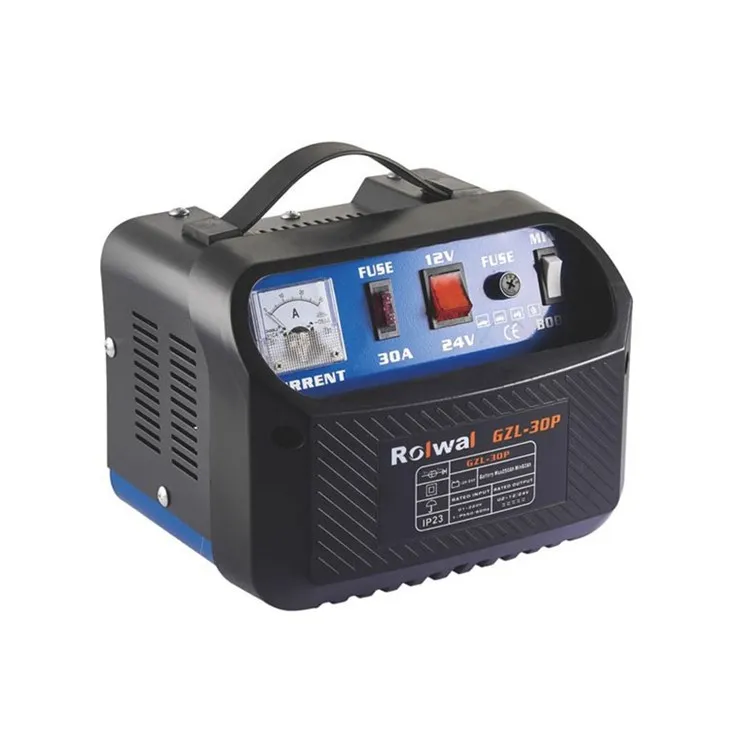
You might also want to consider removing any detachable parts, like battery clamps or adapters, and storing them separately. This reduces the risk of damage to these smaller parts and makes it easier to clean and inspect them before reuse.
It's also a good idea to do a quick check on the charger before you put it back into use after long - term storage. Look for any signs of damage, such as cracks in the casing, frayed cords, or loose connections. If you notice anything suspicious, it's best to have the charger inspected by a professional before using it.
In conclusion, proper storage of your battery charger is essential for its longevity and performance. By following these simple tips, you can ensure that your charger is always ready to go when you need it. Whether you're a casual user or a professional who relies on battery chargers daily, taking good care of your equipment is always a smart move.
If you're in the market for a new battery charger or have any questions about our products, don't hesitate to reach out. We're here to help you find the perfect charger for your needs and provide you with all the information you need to keep it in great condition. Let's start a conversation and see how we can work together!
References
- General knowledge from years of experience in the battery charger industry
- Manufacturer's guidelines for various battery chargers


