

Hey there, folks! As a supplier in the battery charge game, I've seen my fair share of questions about using different chargers. Today, I'm gonna focus on one super useful tool: the trickle charger. So, let's dive right in and learn how to use a trickle charger to charge a battery.

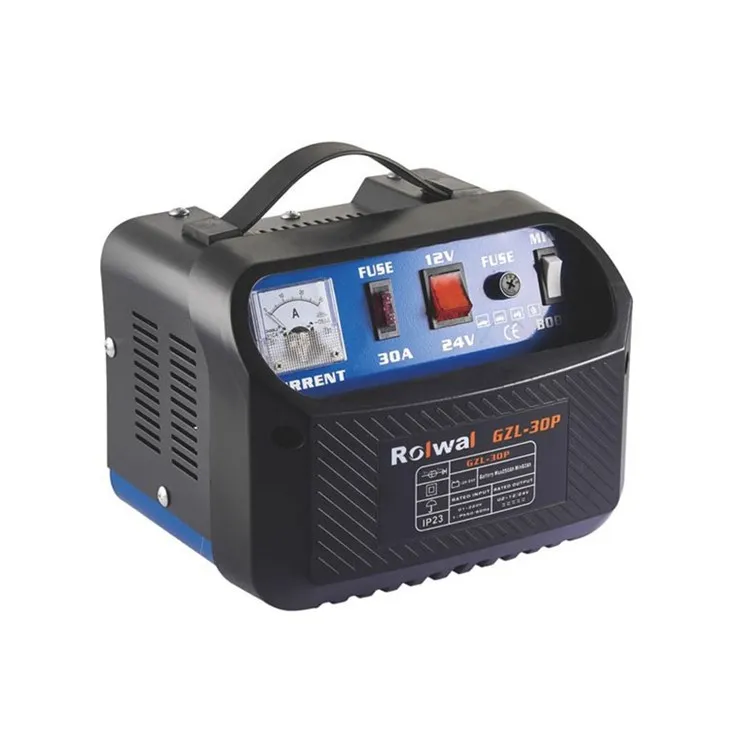
What is a Trickle Charger?
First things first, what exactly is a trickle charger? Well, it's a type of charger that delivers a very low and steady current to your battery. It's not like those high - powered chargers that can quickly juice up a battery. Instead, it's designed to slowly charge a battery over a long period of time. This is great for maintaining the charge of a battery that's not in regular use, like the battery in your classic car that you only take out on weekends or your boat's battery during the off - season.
Why Use a Trickle Charger?
There are a bunch of reasons to use a trickle charger. For starters, it helps prevent battery sulfation. Sulfation happens when lead - acid batteries (the most common type in cars and many other vehicles) are left discharged for too long. The sulfuric acid in the battery forms lead sulfate crystals on the battery plates, which can reduce the battery's capacity and lifespan. A trickle charger keeps the battery topped up, preventing these crystals from forming.
Another reason is that it's safe. Since it delivers a low current, there's less risk of overcharging the battery, which can cause damage and even be a fire hazard in some cases.
Preparing to Use the Trickle Charger
Before you start charging your battery with a trickle charger, there are a few things you need to do.
Safety First
Safety is always the top priority. Make sure you're working in a well - ventilated area. Batteries can produce hydrogen gas, which is highly flammable. You don't want to be in an enclosed space where this gas can build up. Also, wear safety goggles and gloves to protect yourself from any acid spills or electrical shocks.
Check the Battery
Inspect the battery for any signs of damage, like cracks or leaks. If you see any, don't use the battery until you've had it checked out or replaced. Also, check the battery terminals. They should be clean and free of corrosion. If there's corrosion on the terminals, you can clean them with a mixture of baking soda and water. Just make sure to disconnect the battery before cleaning the terminals.
Choose the Right Charger
Not all trickle chargers are created equal. You need to make sure you choose a charger that's compatible with your battery. Check the charger's specifications to see what type of batteries it can charge (e.g., lead - acid, AGM, gel) and what voltage it's designed for. Most car batteries are 12 - volt, but some larger vehicles or specialized equipment may have 24 - volt batteries.
Connecting the Trickle Charger
Now that you're all prepared, it's time to connect the charger to the battery.
Disconnect the Battery
If the battery is in a vehicle, disconnect the negative terminal first, then the positive terminal. This helps prevent any accidental short - circuits.
Connect the Charger Clamps
Most trickle chargers come with two clamps: a red one for the positive terminal and a black one for the negative terminal. Connect the red clamp to the positive terminal of the battery (it's usually marked with a plus sign or the letter “P”). Then connect the black clamp to the negative terminal (marked with a minus sign or the letter “N”). Make sure the clamps are securely attached and there's good contact.
Plug in the Charger
Once the clamps are connected, plug the charger into a power outlet. Some chargers may have a switch or a button to turn them on. If yours does, flip the switch or press the button to start the charging process.
Charging Process
The charging process with a trickle charger is slow, and that's okay. It can take anywhere from several hours to a few days to fully charge a battery, depending on the battery's size and how discharged it is.
Monitor the Charger
While the battery is charging, keep an eye on the charger. Some chargers have an indicator light that shows the charging status. If the light turns green, it usually means the battery is fully charged. If the charger doesn't have an indicator light, you can use a multimeter to check the battery voltage. A fully charged 12 - volt battery should have a voltage of around 12.6 volts.
Don't Overcharge
One of the great things about trickle chargers is that they're designed to prevent overcharging. But it's still a good idea to check on the battery regularly. If you notice that the battery is getting too hot or if there's a lot of bubbling in the battery, stop the charging process immediately.
Disconnecting the Charger
Once the battery is fully charged, it's time to disconnect the charger.
Unplug the Charger
First, unplug the charger from the power outlet. This cuts off the power supply to the charger.
Remove the Clamps
Next, remove the clamps from the battery terminals. Start with the black (negative) clamp, then remove the red (positive) clamp.
Reconnect the Battery
If the battery is in a vehicle, reconnect the positive terminal first, then the negative terminal. Make sure the terminals are tightened properly.
Our Battery Chargers
At our company, we offer a wide range of battery chargers, including some really cool ones. Check out our Compact and Portable Battery Charger. It's perfect for those on - the - go situations. And if you need a charger to quickly start your car, our Quick Start Car Battery Charger is a great option.
Wrapping Up
Using a trickle charger to charge a battery is a simple and effective way to keep your battery in good condition. Just follow the steps I've outlined here, and you'll be able to charge your battery safely and efficiently. If you have any questions about our battery chargers or need more advice on battery charging, don't hesitate to reach out. We're here to help you with all your battery charging needs. Whether you're a DIY enthusiast or a professional mechanic, we've got the right charger for you. So, if you're interested in purchasing our high - quality battery chargers, feel free to contact us for a procurement discussion.
References
- Battery University: A great resource for all things battery - related.
- Automotive repair manuals: They often have detailed information about battery charging and maintenance.


