

How often you should charge your car battery is a question that many vehicle owners grapple with. As a trusted Battery Charge supplier, we're here to provide you with the insights and knowledge you need to make informed decisions about your car battery's charging schedule.
Understanding Your Car Battery
Before delving into the charging frequency, it's essential to understand how a car battery works. A typical car battery is a lead - acid battery, which stores electrical energy through a chemical reaction. When you start your car, the battery provides the initial power to the starter motor. It also powers the vehicle's electrical systems, such as lights, radio, and air conditioning, when the engine is off.
Over time, the battery loses its charge. This can happen due to normal use, leaving electrical components on when the engine is off, or extreme weather conditions. A fully charged car battery usually has a voltage of around 12.6 volts. When the voltage drops below 12.4 volts, it's an indication that the battery is starting to discharge.
Factors Affecting Charging Frequency
1. Driving Habits
If you're a frequent driver who takes long trips regularly, your car's alternator has ample time to recharge the battery. The alternator is a device that converts mechanical energy from the engine into electrical energy to charge the battery while the car is running. In this case, you may not need to charge your battery separately very often. However, if you mainly take short trips, the alternator may not have enough time to fully recharge the battery. Short trips mean the engine runs for a brief period, and the alternator can't replenish the energy used during startup and running the electrical systems. As a result, you might need to charge your battery more frequently.
2. Age of the Battery
As a car battery ages, its ability to hold a charge diminishes. A new battery can typically hold a charge for a longer time compared to an older one. If your battery is more than three years old, you may notice that it loses its charge faster and requires more frequent charging. It's a good idea to have an older battery tested regularly to determine its health.
3. Weather Conditions
Extreme temperatures can have a significant impact on your car battery. In cold weather, the chemical reactions inside the battery slow down, reducing its capacity to deliver power. This means that the battery may discharge more quickly, and you may need to charge it more often. On the other hand, hot weather can cause the battery fluid to evaporate, which can damage the internal components and also lead to a shorter battery life and more frequent charging needs.

4. Electrical Accessories
The number and type of electrical accessories in your car can also affect the battery's charge. If you have additional devices such as a powerful sound system, a GPS, or a dash - cam that are constantly drawing power, your battery will discharge faster. This is especially true if these accessories are used when the engine is off.
General Guidelines for Charging Frequency
For Regular Drivers
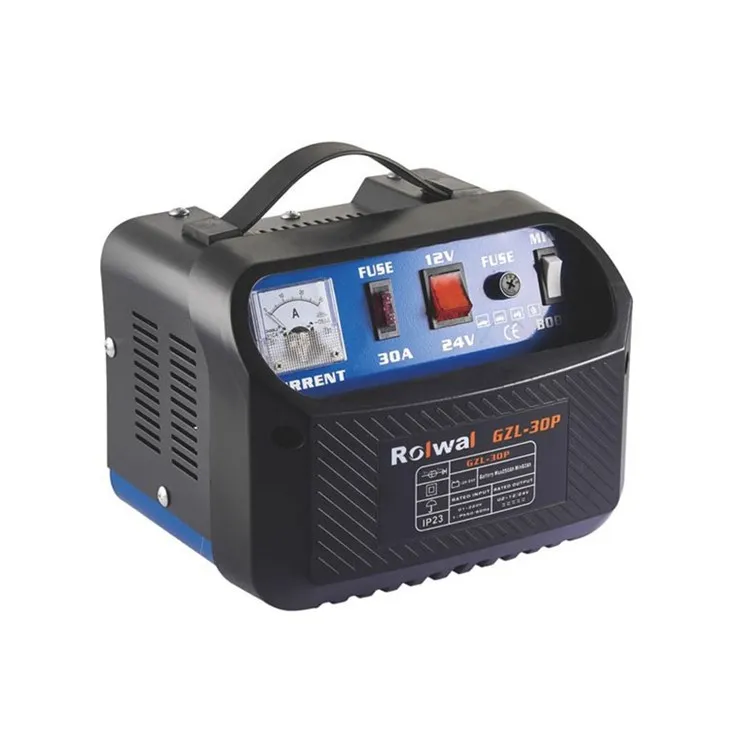
If you drive your car regularly and take long trips, you may only need to charge your battery manually once or twice a year as a preventive measure. This helps to ensure that the battery maintains its full capacity and prolongs its lifespan. You can use a quality battery charger like our Compact and Portable Battery Charger. It's easy to use and can be stored in your car for emergency charging.

For Infrequent Drivers
If you don't drive your car often, it's recommended to charge the battery every two to three weeks. When a car sits idle for an extended period, the battery self - discharges. Even without any electrical devices drawing power, a battery can lose about 1 - 2% of its charge per day. Charging it regularly helps to prevent the battery from going completely dead. Our Quick Start Car Battery Charger is ideal for this situation. It can quickly recharge a partially discharged battery and get your car started.

In Extreme Weather
During cold winters or hot summers, you may need to increase the charging frequency. In cold weather, consider charging the battery once a week if you don't drive frequently. In hot weather, check the battery's charge level more often and charge it as needed.
How to Tell if Your Battery Needs Charging
There are several signs that indicate your car battery needs charging:
- Slow Engine Crank: When you turn the key in the ignition, if the engine cranks slowly or takes longer than usual to start, it could be a sign of a low - charged battery.
- Dim Lights: If your headlights or interior lights appear dimmer than normal, it may be because the battery doesn't have enough power.
- Electrical Malfunctions: Problems with electrical components such as the radio, power windows, or dashboard lights can also be a sign of a weak battery.
- Battery Warning Light: Most modern cars have a battery warning light on the dashboard. If this light comes on, it's an indication that there's an issue with the battery charging system.
Best Practices for Charging Your Car Battery
- Use a Compatible Charger: Make sure to use a charger that is suitable for your car battery. Different batteries have different charging requirements, and using the wrong charger can damage the battery.
- Follow the Charger Instructions: Read and follow the manufacturer's instructions carefully when using a battery charger. This includes setting the correct charging rate and duration.
- Charge in a Well - Ventilated Area: Charging a battery produces hydrogen gas, which is flammable. Therefore, it's important to charge the battery in a well - ventilated area to prevent the build - up of gas.
- Disconnect the Battery: Before charging, disconnect the negative terminal of the battery first, followed by the positive terminal. When reconnecting, connect the positive terminal first and then the negative terminal.
Conclusion
Determining how often to charge your car battery depends on various factors such as driving habits, battery age, weather conditions, and electrical accessories. By understanding these factors and following the general guidelines provided, you can ensure that your car battery remains in good condition and has a long lifespan.
As a leading Battery Charge supplier, we offer a wide range of high - quality battery chargers to meet your needs. Whether you need a compact charger for occasional use or a powerful charger for quick recharging, we have the right product for you.
If you're interested in learning more about our products or have any questions regarding car battery charging, we encourage you to contact us for a procurement discussion. Our team of experts is ready to assist you in finding the best battery charging solutions for your vehicles.
References
- Battery Council International. "Battery Basics."
- SAE International. "Automotive Battery Standards and Guidelines."


