

Hey there! As a supplier of submersible sewage pumps, I've seen a lot of folks scratching their heads when it comes to picking the right pump for their sewage system. It's not as simple as just grabbing any old pump off the shelf. There are a bunch of factors to consider, and I'm here to walk you through the whole process.
First things first, let's talk about what a submersible sewage pump actually is. These pumps are designed to be submerged in water or sewage, and they're used to move wastewater from one place to another. They're super handy for things like septic systems, sump pits, and even some industrial applications.
One of the most important things to think about when choosing a submersible sewage pump is the flow rate. This is basically how much water the pump can move in a given amount of time, usually measured in gallons per minute (GPM). To figure out the right flow rate for your system, you'll need to know how much wastewater you're dealing with. For example, if you have a small residential septic system, you might only need a pump with a flow rate of 10 - 20 GPM. But if you're dealing with a large commercial or industrial system, you could need a pump that can handle 100 GPM or more.
Another crucial factor is the head pressure. Head pressure is the amount of resistance the pump has to overcome to move the water. It's affected by things like the height the water needs to be pumped, the length of the pipe, and any bends or turns in the pipe. The higher the head pressure, the more powerful the pump needs to be. You can calculate the head pressure for your system using some basic math, but if you're not comfortable doing that, you can always ask a professional for help.
The type of sewage you're dealing with also matters. If you're just pumping out clear water, like from a sump pit after a heavy rain, you can get away with a less powerful pump. But if you're dealing with sewage that contains solids, like human waste or toilet paper, you'll need a pump that's designed to handle those solids. These pumps are usually called solids-handling pumps, and they have special features like larger impellers and more robust cutting mechanisms to prevent clogging.
For example, our Stainless Steel Garden Submersible Sewage Pump is a great option for handling both water and small solids in a garden or residential setting. It's made of high-quality stainless steel, which means it's durable and resistant to corrosion.
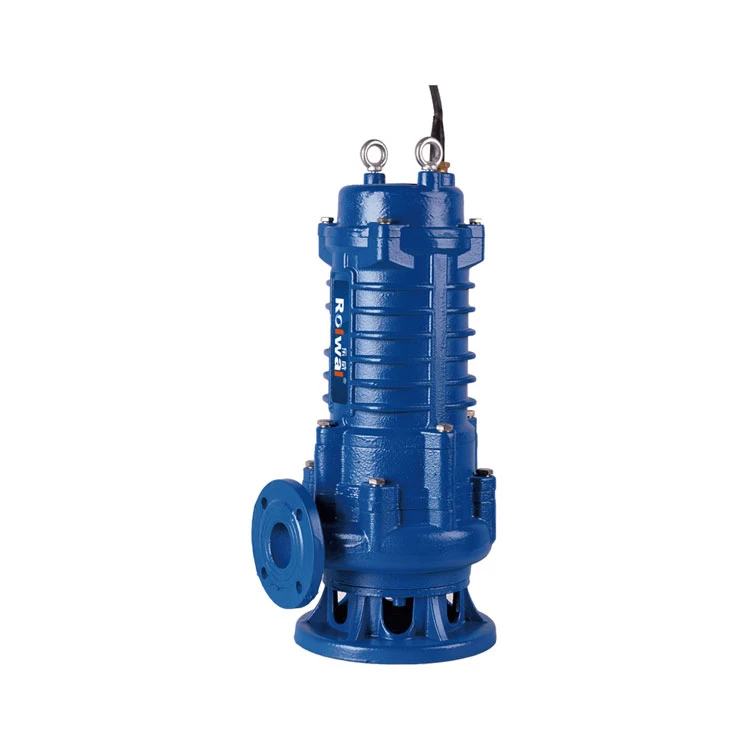

The size and design of the pump are also important. You need to make sure the pump will fit in the space you have available. Some pumps are designed to be installed vertically, while others can be installed horizontally. You'll also want to consider the weight of the pump, especially if you'll need to move it around or install it in a hard-to-reach place.
Now, let's talk about some additional features that can make your life a lot easier. One of these features is a float switch. A float switch is a device that automatically turns the pump on and off based on the water level. This means you don't have to manually monitor the water level and turn the pump on and off yourself. Our Submersible Sewage Pump Float Switch is a reliable option that can be easily installed on most submersible sewage pumps.
If you're using the pump in a garden or outdoor setting, you might also want to consider a pump with a built-in float switch, like our Garden Submersible Pump with Float Switch. This type of pump is specifically designed for outdoor use and can handle the elements.
The power source of the pump is another thing to think about. Most submersible sewage pumps are electric, but there are also some that run on gasoline or diesel. Electric pumps are generally more convenient and easier to maintain, but they require a reliable power source. Gasoline or diesel pumps, on the other hand, can be used in areas where there's no electricity, but they're usually louder and require more maintenance.
Cost is always a factor when making any purchase, and submersible sewage pumps are no exception. You'll need to balance your budget with the features and performance you need. Keep in mind that a higher-quality pump might cost more upfront, but it could save you money in the long run by lasting longer and requiring less maintenance.
It's also a good idea to read reviews and do some research on different brands and models. Look for pumps that have a good reputation for reliability and performance. You can check online reviews, ask for recommendations from friends or neighbors, or even talk to a professional plumber or sewage system installer.
Once you've narrowed down your options, it's a good idea to test the pump if possible. Some suppliers, like us, offer the option to test the pump before you buy it. This can give you a better idea of how the pump will perform in your system.
In conclusion, choosing the right submersible sewage pump for your sewage system is a process that requires careful consideration. You need to think about the flow rate, head pressure, type of sewage, size, features, power source, and cost. By taking the time to do your research and make an informed decision, you can ensure that you get a pump that will work well for your system and last for years to come.
If you're still not sure which pump is right for you, or if you have any questions about our products, don't hesitate to reach out. We're here to help you make the best choice for your sewage system. Whether you're a homeowner, a business owner, or a contractor, we've got the expertise and the products to meet your needs. Contact us today to start the conversation about finding the perfect submersible sewage pump for you.
References
- "Pump Handbook" by Igor J. Karassik et al.
- Various industry articles on submersible sewage pump selection and performance.


