

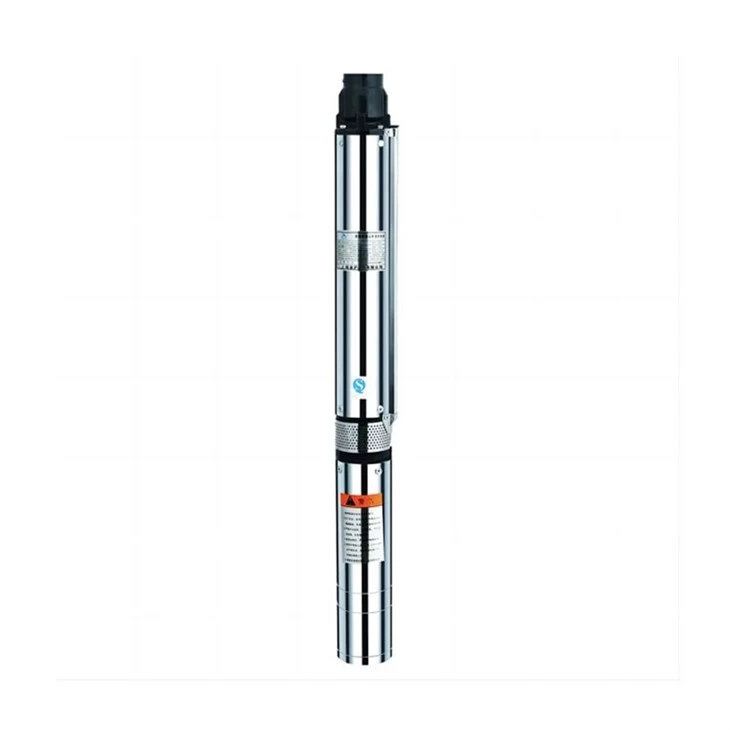
A deep well submersible pump is a crucial piece of equipment for many water supply systems, especially in areas where water needs to be drawn from deep underground sources. However, like any mechanical device, these pumps can experience issues, and one of the most common problems is leakage. As a supplier of deep well submersible pumps, I understand the frustration that a leaking pump can cause. In this blog post, I will share some insights on how to deal with a leaking deep well submersible pump.
Understanding the Causes of Leakage
Before we can address the issue of a leaking pump, it's important to understand what might be causing it. There are several potential reasons for leakage in a deep well submersible pump:
Seal Damage
The seals in a submersible pump are designed to prevent water from entering the motor or other sensitive components. Over time, these seals can wear out due to constant exposure to water, pressure, and chemicals. Physical damage from debris in the water or improper installation can also cause seals to fail.
Cracks in the Pump Housing
The pump housing can develop cracks due to various reasons, such as freezing temperatures, physical impact, or manufacturing defects. Cracks can allow water to leak out of the pump, reducing its efficiency and potentially causing damage to the motor.
Loose Fittings
If the fittings on the pump, such as the pipe connections or the bolts holding the pump together, are loose, water can seep out. This can happen due to vibration during operation or improper tightening during installation.
Wear and Tear
Continuous use of the pump can lead to general wear and tear on its components. For example, the impeller, which is responsible for moving water through the pump, can become worn over time, causing leaks around the impeller housing.
Identifying the Source of the Leak
Once you suspect that your deep well submersible pump is leaking, the next step is to identify the source of the leak. This can be a challenging task, especially if the pump is located deep underground. Here are some steps you can take:
Visual Inspection
If the pump is accessible, a visual inspection can often reveal the source of the leak. Look for signs of water around the pump housing, seals, and fittings. Check for cracks, loose connections, or damaged components.
Pressure Testing
Pressure testing can help determine if there is a leak in the pump or the connected pipes. You can use a pressure gauge to measure the pressure in the system. If the pressure drops unexpectedly, it could indicate a leak.

Listening for Sounds
A leaking pump may make unusual sounds, such as hissing or gurgling. Listen carefully near the pump or the pipes for any abnormal noises that could indicate a leak.
Fixing the Leak
Once you have identified the source of the leak, you can take steps to fix it. Here are some common solutions:
Replacing Seals
If the seals are damaged, they will need to be replaced. Most submersible pumps have replaceable seals that can be purchased from the pump manufacturer or a local supplier. When replacing the seals, make sure to follow the manufacturer's instructions carefully to ensure a proper fit.
Repairing Cracks
If the pump housing has cracks, they can sometimes be repaired using epoxy or other suitable sealants. However, if the cracks are severe, it may be necessary to replace the pump housing.
Tightening Fittings
If the leak is due to loose fittings, simply tightening them can often solve the problem. Use a wrench or other appropriate tools to tighten the pipe connections and bolts. Make sure not to overtighten, as this can cause damage to the fittings.
Replacing Worn Components
If the impeller or other components are worn, they will need to be replaced. You can purchase replacement parts from the pump manufacturer or a reputable supplier. When replacing components, make sure to use parts that are compatible with your pump model.
Preventing Future Leaks
To prevent future leaks in your deep well submersible pump, you can take the following preventive measures:
Regular Maintenance
Regular maintenance is essential for keeping your pump in good working condition. This includes checking the seals, fittings, and components for wear and tear, and replacing them as needed. You should also clean the pump regularly to remove any debris that could cause damage.
Proper Installation
Proper installation is crucial for preventing leaks. Make sure to follow the manufacturer's instructions carefully when installing the pump. Use the correct tools and materials, and ensure that all connections are tight and secure.
Protecting the Pump
Protect the pump from extreme temperatures, physical impact, and other potential sources of damage. If the pump is located in an area where it may be exposed to freezing temperatures, consider installing a heating system or insulating the pump.
Using High-Quality Pumps
Investing in a high-quality deep well submersible pump can reduce the risk of leaks and other problems. At our company, we offer a range of high-quality pumps, including Single Phase Deep Well Submersible Pump, Stainless Steel Deep Well Submersible Pump, and Electric Deep Well Submersible Pump. Our pumps are built to last and are designed to provide reliable performance.
Conclusion
Dealing with a leaking deep well submersible pump can be a challenging task, but by understanding the causes of leakage, identifying the source of the leak, and taking appropriate steps to fix it, you can ensure that your pump continues to operate efficiently. Regular maintenance and proper installation are key to preventing future leaks. If you have any questions or need further assistance with your deep well submersible pump, please don't hesitate to contact us. We are here to help you find the best solutions for your water supply needs. Whether you are looking for a new pump or need replacement parts, we have the expertise and products to meet your requirements. Contact us today to start a procurement discussion and find the perfect deep well submersible pump for your project.
References
- "Deep Well Submersible Pump Handbook" - A comprehensive guide on the operation and maintenance of deep well submersible pumps.
- Manufacturer's manuals for deep well submersible pumps, which provide detailed information on installation, troubleshooting, and repair.
- Industry standards and best practices for water pump installation and maintenance.


