

Hey there! I'm a supplier of deep well submersible pumps, and I know how frustrating it can be when the motor of your pump goes kaput. But don't worry, I'm here to walk you through the process of replacing the motor of a deep well submersible pump. It might seem like a daunting task, but with the right tools and a bit of know - how, you can get your pump up and running again in no time.
Step 1: Safety First
Before you even think about touching the pump, safety should be your top priority. First off, turn off the power supply to the pump. This might seem obvious, but you'd be surprised how many people forget this crucial step. A live electrical current can be extremely dangerous, so make sure the breaker is switched off and, if possible, lock it to prevent accidental re - energizing.
Next, drain the water from the well as much as you can. This not only makes the job easier but also reduces the risk of electrical shock. You can use a smaller pump or a siphon to get the water out.
Step 2: Remove the Pump from the Well
Now that you've taken care of safety, it's time to get the pump out of the well. You'll need a winch or a pulley system to lift the pump. Make sure the lifting equipment is rated to handle the weight of the pump. Attach the lifting device securely to the pump, and then slowly and carefully lift it out of the well. It's a good idea to have someone help you with this part, as the pump can be heavy and awkward to handle.
Once the pump is out, place it on a stable surface. You might want to cover the surface with a tarp or some old towels to protect the pump and make cleanup easier.
Step 3: Disassemble the Pump
Before you can replace the motor, you'll need to take the pump apart. Start by removing the outer casing of the pump. This usually involves unscrewing a series of bolts or nuts. Keep all the bolts and nuts in a safe place, so you don't lose them.
After removing the casing, you'll be able to see the motor and other internal components. Take a good look at how everything is connected. You might want to take some pictures with your phone to refer back to later.
Disconnect the electrical wires from the motor. Be careful when doing this, as the wires might be live even though the power is off. Use insulated pliers to gently pull the connectors apart. Also, disconnect any hoses or pipes that are attached to the pump.
Step 4: Choose the Right Replacement Motor
Now comes the fun part - choosing the right replacement motor. As a deep well submersible pump supplier, I can tell you that it's crucial to get a motor that's compatible with your pump. You'll need to know the specifications of your existing motor, such as the horsepower, voltage, and speed.
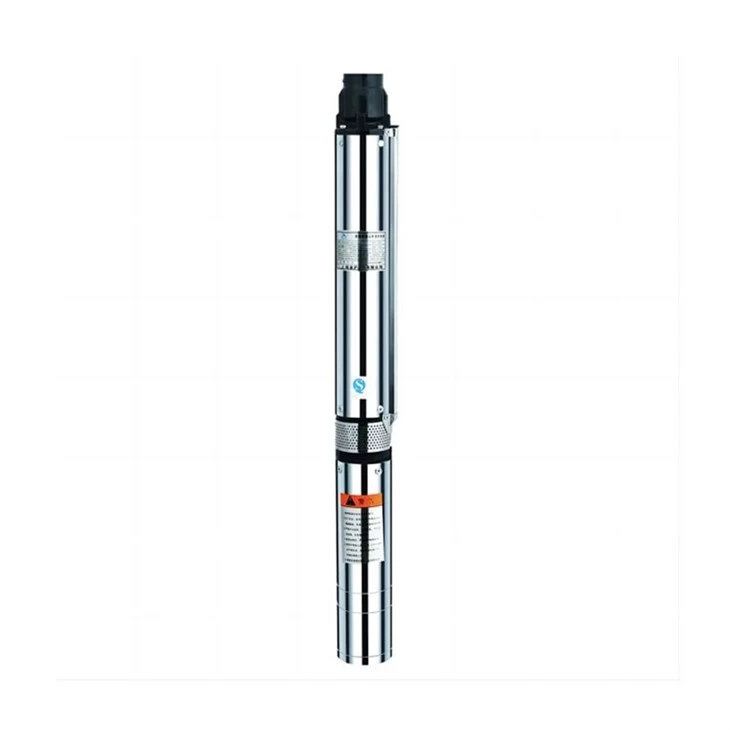
We offer a variety of motors for different types of deep well submersible pumps. For example, if you're looking for a high - performance motor, you might be interested in our Three Phase Deep Well Submersible Pump. It's designed to provide reliable and efficient operation. Or, if you need a motor that's resistant to corrosion, our Stainless Steel Deep Well Submersible Pump is a great choice. And for those who prefer an electric - powered motor, our Electric Deep Well Submersible Pump is a popular option.
Step 5: Install the New Motor
Once you've got the right replacement motor, it's time to install it. Start by carefully placing the new motor in the pump housing. Make sure it's properly aligned and seated. Then, reconnect the electrical wires. Double - check that the connections are secure and that the wires are not pinched or damaged.
Reattach any hoses or pipes that you disconnected earlier. Make sure the seals are tight to prevent leaks.
Step 6: Reassemble the Pump
After the new motor is installed, it's time to put the pump back together. Start by replacing the outer casing. Line up the holes and insert the bolts or nuts. Tighten them securely, but don't over - tighten, as this can damage the casing.
Step 7: Lower the Pump Back into the Well
Now that the pump is reassembled, it's time to lower it back into the well. Use the winch or pulley system again, and make sure the pump is lowered slowly and evenly. Once it's in place, connect the power supply.

Step 8: Test the Pump
Before you call it a day, it's important to test the pump. Turn on the power and let the pump run for a few minutes. Check for any leaks, unusual noises, or vibrations. If everything seems to be working fine, then congratulations - you've successfully replaced the motor of your deep well submersible pump!
Conclusion
Replacing the motor of a deep well submersible pump is definitely a challenging task, but it's one that you can tackle with the right approach. If you have any questions or need help choosing the right replacement motor, don't hesitate to reach out. As a deep well submersible pump supplier, we're here to support you every step of the way. Whether you're a DIY enthusiast or a professional plumber, we've got the products and knowledge to help you get the job done right. So, if you're in the market for a new motor or any other pump parts, feel free to contact us for more information and to start a procurement discussion.
References
- "Deep Well Submersible Pump Manuals" - Various manufacturers' manuals provide detailed information on pump components and maintenance.
- "Handbook of Pump Engineering" - A comprehensive resource for understanding pump mechanics and repair.


