

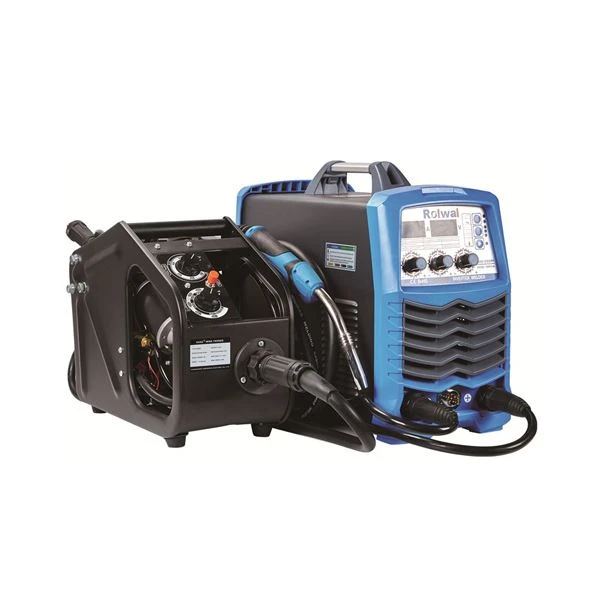
Water-cooled MIG welders are indispensable tools in many welding operations, offering high performance and efficiency. However, like any complex equipment, they can encounter water-flow problems that may affect their functionality and longevity. As a supplier of Water Cooled Mig Welder, I understand the importance of troubleshooting these issues promptly. In this blog post, I'll share some practical steps to help you diagnose and resolve water-flow problems in a water-cooled MIG welder.
Understanding the Water-Cooling System
Before delving into troubleshooting, it's crucial to have a basic understanding of how the water-cooling system in a MIG welder works. The water-cooling system is designed to dissipate heat generated during the welding process, preventing the welder from overheating. It typically consists of a water pump, hoses, a radiator, and a water reservoir. The water pump circulates water through the system, absorbing heat from the welding torch and other critical components. The heated water then flows to the radiator, where it is cooled before returning to the reservoir.
Common Water-Flow Problems
- Low Water Flow
Low water flow is one of the most common issues in water-cooled MIG welders. This can be caused by a variety of factors, such as a clogged filter, a malfunctioning water pump, or kinked hoses. When the water flow is insufficient, the welder may overheat, leading to reduced performance and potential damage to the equipment. - No Water Flow
A complete lack of water flow is a more serious problem that requires immediate attention. It could be due to a blocked water line, a broken water pump, or an electrical issue with the pump motor. Without proper water circulation, the welder can quickly overheat and cause irreversible damage. - Leaking Water
Water leaks can occur at various points in the water-cooling system, including the hoses, connections, and the water reservoir. Leaks not only waste water but can also cause electrical hazards and damage to the surrounding equipment.
Troubleshooting Steps
Step 1: Check the Water Level
The first step in troubleshooting water-flow problems is to check the water level in the reservoir. A low water level can cause the water pump to draw in air, resulting in reduced water flow or no flow at all. If the water level is low, refill the reservoir with clean, deionized water. Make sure to use the recommended type of water to prevent mineral buildup and corrosion in the system.
Step 2: Inspect the Hoses
Next, inspect the hoses for any signs of damage, kinks, or blockages. Kinked hoses can restrict water flow, while damaged hoses may leak water. If you find a kinked hose, straighten it out carefully. If a hose is damaged, replace it with a new one of the same size and type. Also, check the hose connections to ensure they are tight and secure. Loose connections can cause water leaks and reduce water flow.
Step 3: Clean or Replace the Filter
A clogged filter can significantly reduce water flow in the system. Locate the filter in the water-cooling system and remove it. If the filter is dirty, clean it thoroughly with a soft brush and water. If the filter is severely clogged or damaged, replace it with a new one. Regularly cleaning or replacing the filter can prevent many water-flow problems.
Step 4: Check the Water Pump
The water pump is responsible for circulating water through the system. If the pump is not working properly, it can cause low or no water flow. Listen for any unusual noises coming from the pump, such as grinding or rattling sounds, which may indicate a mechanical problem. You can also check the pump's electrical connections to ensure they are secure and that there is power reaching the pump. If the pump is not working, it may need to be repaired or replaced.
Step 5: Inspect the Radiator
The radiator plays a crucial role in cooling the water before it returns to the reservoir. A clogged or dirty radiator can reduce its cooling efficiency, leading to overheating. Inspect the radiator fins for any debris or dirt buildup. Use a soft brush or compressed air to clean the fins gently. Make sure the radiator fan is working properly and that there is adequate airflow around the radiator.
Step 6: Look for Leaks
Carefully inspect the entire water-cooling system for any signs of water leaks. Check the hoses, connections, the water reservoir, and the pump for leaks. If you find a leak, identify the source and repair it immediately. You may need to replace a gasket, tighten a connection, or repair a damaged component.
Advanced Troubleshooting
If the above steps do not resolve the water-flow problem, it may be necessary to perform more advanced troubleshooting. This could involve using specialized tools to test the water pump's performance, checking the pressure in the water lines, or inspecting the internal components of the water-cooling system. In some cases, it may be best to consult a professional technician or contact the manufacturer's customer support for further assistance.
Preventive Maintenance
Preventive maintenance is key to avoiding water-flow problems in a water-cooled MIG welder. Here are some tips to keep your water-cooling system in good condition:
- Regularly Clean the System: Clean the filter, radiator, and hoses at regular intervals to prevent dirt and debris buildup.
- Use the Right Water: Always use clean, deionized water in the water reservoir to prevent mineral deposits and corrosion.
- Inspect the System Routinely: Check the hoses, connections, and components for any signs of wear or damage on a regular basis.
- Follow the Manufacturer's Guidelines: Adhere to the manufacturer's recommended maintenance schedule and procedures for your specific water-cooled MIG welder.
Conclusion
Water-flow problems in a water-cooled MIG welder can be frustrating, but with the right troubleshooting steps and preventive maintenance, you can keep your equipment running smoothly. By understanding the common issues, performing regular inspections, and taking prompt action when problems arise, you can ensure the longevity and performance of your water-cooled MIG welder.
If you are experiencing persistent water-flow problems or need assistance with your Water Cooled Mig Welder, don't hesitate to reach out to us. We also offer a range of other high-quality welding machines, such as the Multi Process MIG Pulse Spot Welder and the Digital Display Inverter Welding Machine. Contact us today to discuss your welding needs and explore our product offerings.

References
- Welding Equipment Manufacturer's Manuals
- Industry Standards for Welding Equipment Maintenance


