

Hey there, welding enthusiasts! As a supplier of MMA welding machines, I often get asked about the wear rate of electrodes in these machines. It's a crucial topic, as understanding electrode wear can save you time, money, and ensure high - quality welds. So, let's dive right in and explore what the wear rate of electrodes in an MMA welding machine really means.
What is Electrode Wear?
Electrode wear is the gradual loss of the electrode material during the welding process. When you're using an MMA welding machine, the electrode melts and transfers metal to the weld joint. But not all of the electrode is used for the actual weld. Some of it is consumed in other ways, like forming the slag that protects the weld pool and vaporizing due to the high heat.
The wear rate is basically how fast this consumption happens. It's usually measured in terms of the length or weight of the electrode that's used up per unit of time, like inches per minute or grams per second.
Factors Affecting Electrode Wear Rate
There are several factors that can influence how quickly an electrode wears out in an MMA welding machine.
Welding Current
One of the most significant factors is the welding current. The higher the current, the more heat is generated at the tip of the electrode. This increased heat causes the electrode to melt faster, leading to a higher wear rate. For example, if you're using a small - diameter electrode and you crank up the current too high, it'll burn through really quickly. On the other hand, if the current is too low, the electrode might not melt properly, and you'll end up with a poor - quality weld.
Electrode Type
Different types of electrodes have different wear characteristics. For instance, cellulose electrodes tend to have a relatively high wear rate because they contain a lot of organic materials that burn off quickly. Rutile electrodes, on the other hand, have a more stable arc and a lower wear rate. So, depending on the job you're doing, you need to choose the right electrode type to manage the wear rate effectively.
Welding Technique
Your welding technique also plays a big role. If you're holding the electrode too close to the workpiece, it'll melt faster due to the increased heat transfer. Also, if you're moving the electrode too slowly, it'll stay in the heat for longer, increasing the wear rate. A smooth and consistent welding motion can help keep the wear rate in check.
Workpiece Material
The material of the workpiece can affect electrode wear. Some materials, like stainless steel, require more heat to weld, which means you might need to use a higher current. This, in turn, can increase the electrode wear rate. Other materials, like mild steel, are easier to weld and may result in a lower wear rate.
Measuring Electrode Wear Rate
To measure the wear rate of an electrode in an MMA welding machine, you can use a simple method. First, weigh the electrode before you start welding. Then, after a set period of time (say, 10 minutes), weigh the remaining electrode. Subtract the final weight from the initial weight, and you'll get the amount of electrode that was consumed during that time. Divide this by the time elapsed, and you've got the wear rate in grams per minute.
You can also measure the wear rate in terms of length. Just measure the length of the electrode before and after welding and calculate the difference.
Why is Understanding Electrode Wear Rate Important?
Knowing the wear rate of electrodes in your MMA welding machine is crucial for several reasons.
Cost - Efficiency
Electrodes are an expense. If you're using them up too quickly, it can add up to a significant cost over time. By understanding and controlling the wear rate, you can optimize your electrode usage and save money. For example, if you know that a certain welding current leads to a very high wear rate, you can adjust it to a more appropriate level.
Weld Quality
The wear rate can also affect the quality of your welds. If the electrode is wearing out too fast, it might not provide a consistent supply of filler metal to the weld joint. This can result in a weak or uneven weld. On the other hand, if the wear rate is too slow, you might not be depositing enough metal, also leading to poor - quality welds.
Productivity
A high wear rate means you'll have to change electrodes more frequently. This can slow down your welding process and reduce productivity. By managing the wear rate, you can minimize the number of electrode changes and keep the welding process flowing smoothly.
Our MMA Welding Machines and Electrode Wear
At our company, we offer a range of high - quality MMA welding machines, including the Dc Inverter Welding Machine, DC DIGITAL INVERTER MMA, and MMA Lift TIG Stick Welder. These machines are designed to provide stable welding currents, which helps in controlling the electrode wear rate.

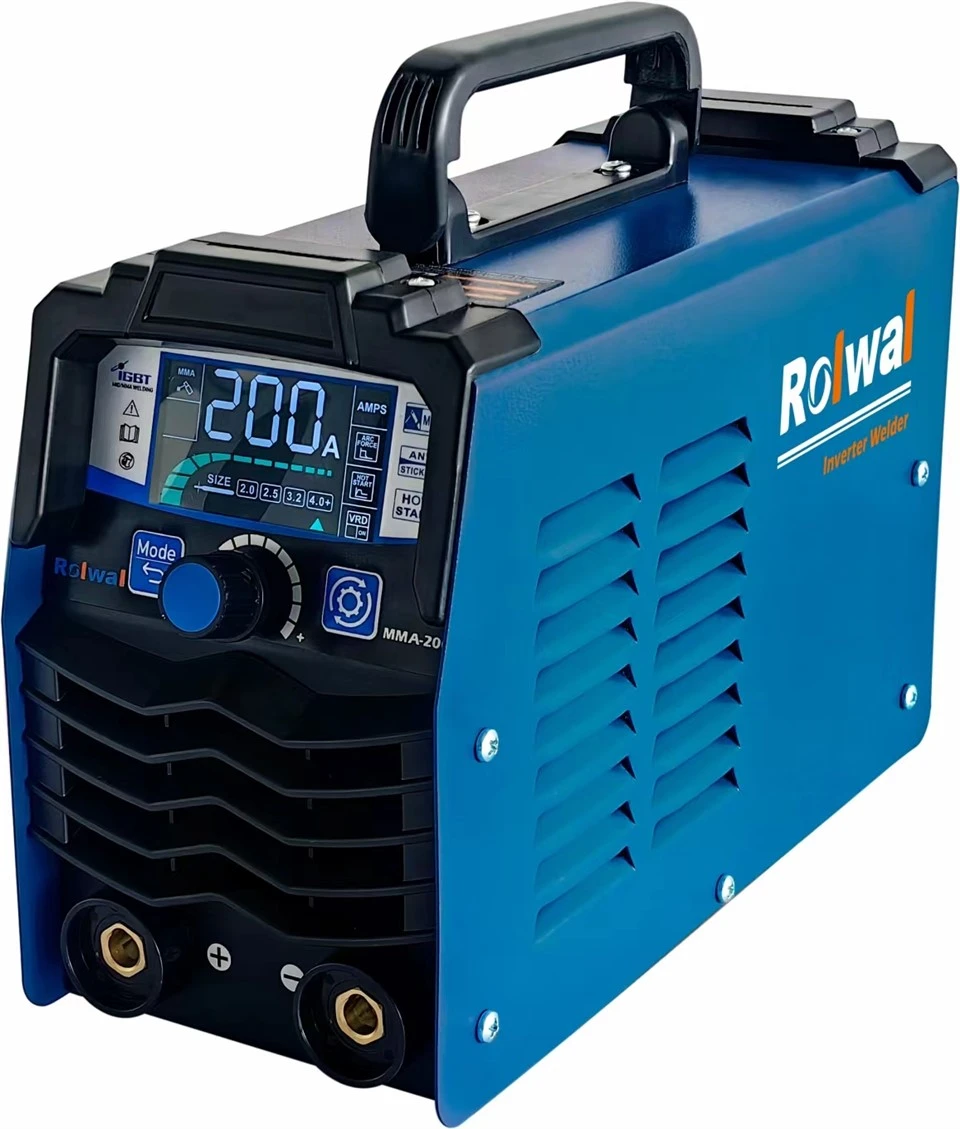
Our DC inverter welding machines, for example, have advanced technology that allows for precise current control. This means you can set the current at the optimal level for the electrode you're using, reducing unnecessary wear. The DC digital inverter MMA machines offer even more accuracy and flexibility, with digital displays that let you monitor and adjust the welding parameters easily. And the MMA Lift TIG Stick Welder combines the functions of MMA and TIG welding, giving you more options for different types of welding jobs while still maintaining good control over electrode wear.
Conclusion
In conclusion, the wear rate of electrodes in an MMA welding machine is influenced by several factors, including welding current, electrode type, welding technique, and workpiece material. Understanding and managing this wear rate is essential for cost - efficiency, weld quality, and productivity.
If you're in the market for an MMA welding machine that can help you control electrode wear and deliver high - quality welds, we've got you covered. Our range of machines, such as the Dc Inverter Welding Machine, DC DIGITAL INVERTER MMA, and MMA Lift TIG Stick Welder, are designed with your welding needs in mind.
If you're interested in learning more about our products or have any questions about electrode wear or MMA welding in general, don't hesitate to get in touch with us for a procurement discussion. We're here to help you make the best choices for your welding projects.
References
- Welding Handbook, American Welding Society
- Principles of Arc Welding, various industry publications


